
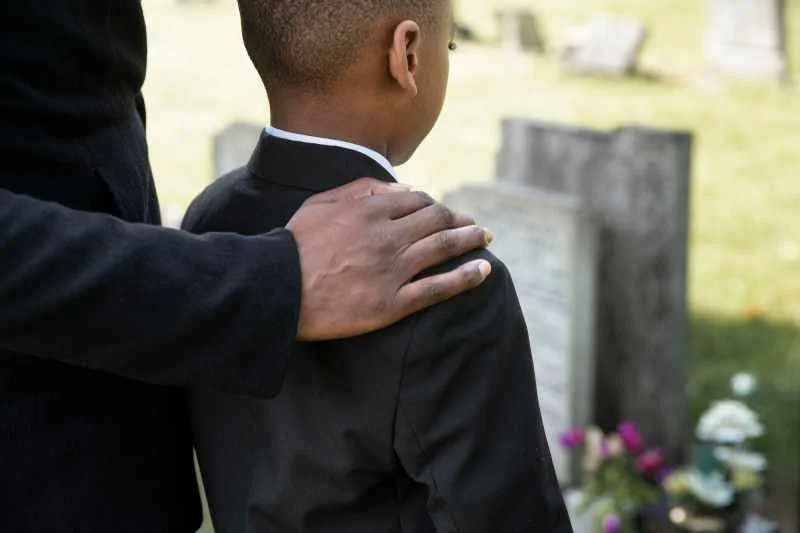
Supporting Children Through Grief
Gentle Guidance for Difficult Conversations
Talking to children about death can feel overwhelming, but with open and clear communication, children can be supported through grief in a way that feels safe, respectful and reassuring. At Lodge Brothers, we offer guidance to help families approach these conversations with confidence — and with care.
Every child grieves differently. Some want to talk. Some withdraw. Others express emotions through play or creativity. With time, patience and the right support, children can process what has happened in a way they understand.
1 — Be Clear, Simple and Age-Appropriate
Use honest and gentle language. Avoid phrases such as “gone to sleep” or “lost”, as young children may take these literally and feel confused. If they ask questions — it is a sign they are trying to understand. You do not need to have all the answers. Listening is often enough.
2 — Create a Safe Space to Express Feelings
Children may express their grief in different ways — talking, drawing, asking questions, becoming quiet, or through play. All of these are natural responses. Let them know that any feeling is valid — sadness, anger, confusion or fear. Giving them space and support helps them feel secure.
3 — Listen Without Judgment
Try to listen more than you speak. Let them express themselves fully — even if their thoughts seem unexpected or difficult. When children feel heard, they feel safer. Reassure them that questions are welcome and that grief is not something they must navigate alone.
4 — Offer Reassurance and Routine
Children may worry about what comes next. Reassure them that they are safe and cared for, and that some things in life will continue as before. Familiar routines — such as bedtime, meals or school — can provide comfort and stability during a time of change.
5 — Helpful Tools and Resources
Stories, drawings, memory boxes and books can help children understand their feelings. They can also act as gentle starting points for conversations. Asking questions such as “How do you think this character feels?” can help children reflect more openly.
7 — Professional Support and Local Services
If a child is finding it hard to cope, extra help may be beneficial. Below are trusted sources of guidance and support:
Local Services
Across Surrey, London and Berkshire, we can help connect you with:
-
School bereavement counsellors
-
Local authority mental health teams
-
Child bereavement support services
-
Community support groups
Please speak to your funeral arranger if you would like help accessing these services.
You Are Not Alone
Supporting children through grief takes time, understanding and patience — but you do not have to face it alone. We are here to help you find the right words, the right tools and the right care.
Whenever you are ready to talk, we are here to listen.
This is the Lodge Family Difference.
Lodge Brothers
Trusted since 1780
The Lodge Family Difference
From simple farewells to traditional funerals

Contact Us

24 Hours a Day Call: 020 8818 7725
Or contact us online for advice, assistance or a quotation. When you need someone to guide you — we listen, we help, we take care.